
Oceanry’s Advisory Board has grown with two researchers in plankton ecology: Kyle Mayers from NORCE Research in Norway and Dr. Christine Klaas from the Alfred Wegener Institute in Germany. Both bring deep experience in the science that ocean iron replenishment depends on, namely how plankton communities grow, what controls them, and what happens to the carbon they take up.
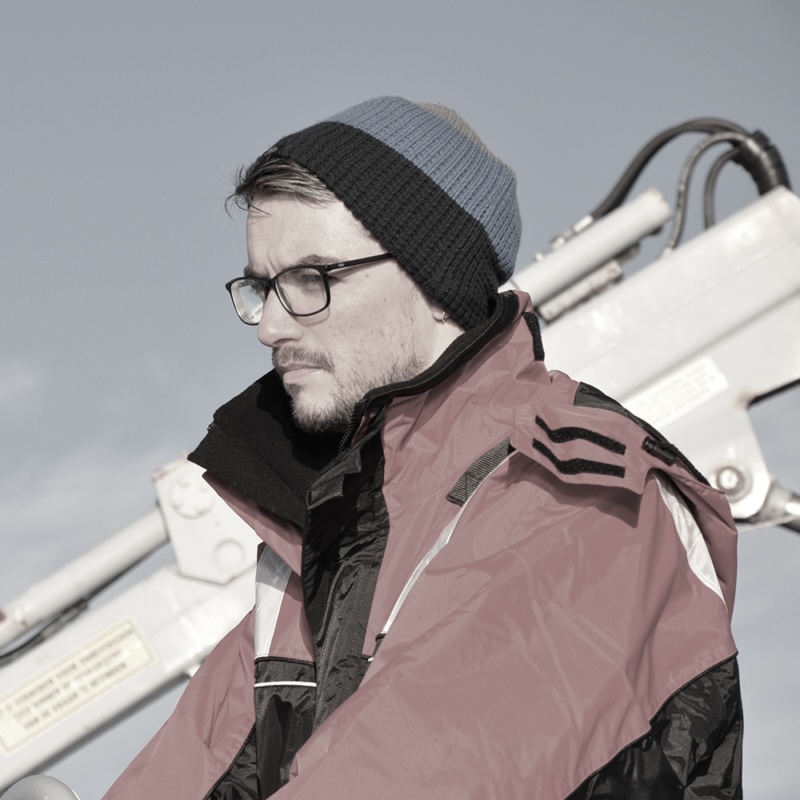
Kyle Mayers, NORCE Research, Norway
Mayers is a Senior Researcher at the independent research institute NORCE Research in Bergen. His research focuses on trophic dynamics, from viruses to zooplankton, in oceanic and coastal marine ecosystems, particularly through mesocosm experiments and systems research.
Mayers’ work is directly relevant to Oceanry. Mesocosms are large enclosed volumes of seawater that let researchers follow a whole plankton community under controlled conditions. They are one of the main ways to study how iron availability shapes a bloom, and what the rest of the food web does in response, before moving to larger field research.
Mayers is Oceanry’s second advisor from Norway, alongside Erik Solheim.
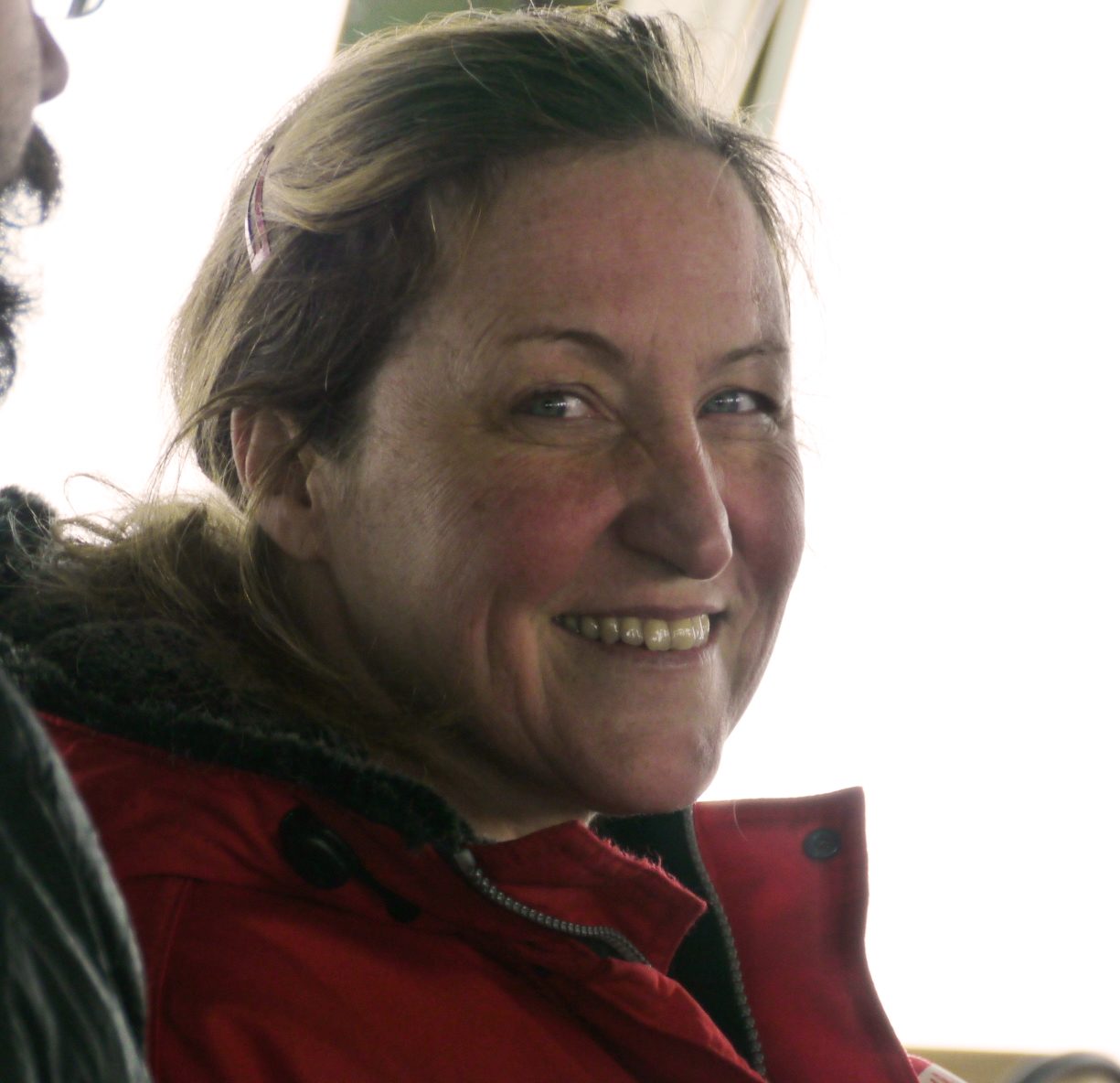
Dr. Christine Klaas, Alfred Wegener Institute, Germany
Dr. Klaas works at the Alfred Wegener Institute Helmholtz Centre for Polar and Marine Research and brings over 30 years of experience in plankton ecology and marine biogeochemistry. Her scientific work focuses on how bottom up and top down controls shape the dynamics and distribution of phytoplankton and heterotrophic protists, and how these ecological processes influence marine biogeochemical cycles.
Her research spans laboratory studies, field observations and numerical modelling. This gives her a broad and uniquely integrated understanding of how plankton communities respond to changes in their environment, and how these responses affect the movement of carbon through ocean ecosystems.
Dr. Klaas has taken part in eight research expeditions in the Southern Ocean, including the three AWI led iron enrichment experiments EisenEx, EIFEX and LOHAFEX. She also served as a lead author on the synthesis of the EIFEX experiment, which remains one of the clearest field observations of a diatom bloom followed by carbon export to the deep ocean (Smetacek et al. 2012).
A broader scientific base
“We are extremely delighted to welcome Kyle and Christine to our Advisory Board. Our team and advisors now represent more than 10 countries, bringing a broad range of scientific knowledge to our mission,” comments Melina Pinomaa, Co-Founder of Oceanry.
Welcome Kyle and Christine. Together, we are building the scientific foundation needed to help heal our seas and bring marine life back to full bloom!
References:
Smetacek, V., Klaas, C., Strass, V. H., Assmy, P., Montresor, M., et al. (2012). Deep carbon export from a Southern Ocean iron-fertilized diatom bloom. Nature, 487(7407), 313–319. https://doi.org/10.1038/nature11229
